
- View Mobile Number
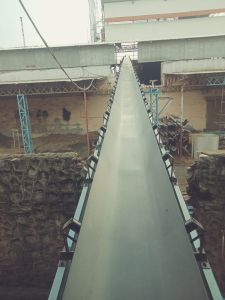
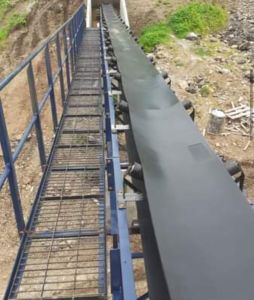

2 Lac / unit( + 18% GST applicable)
| Business Type | Manufacturer |
| Conveyor Type | Belt Conveyor |
| Load Capacity | Up To 50 Kg |
| Application | Warehousing & Logistics, Manufacturing, Mining & Cement, Food Processing, Pharmaceutical |
| Click to view more | |
Product Details
Conveyor Length
Up To 5 M
Port
Mundra
Delivery Time
4-5 Week
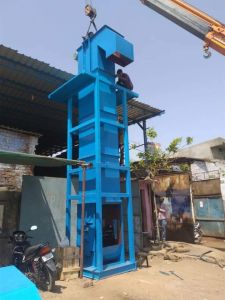
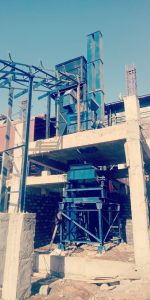
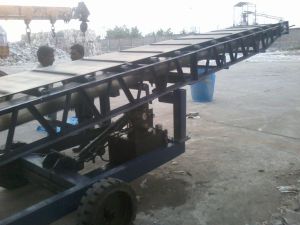
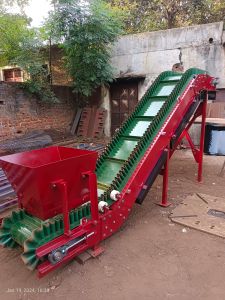
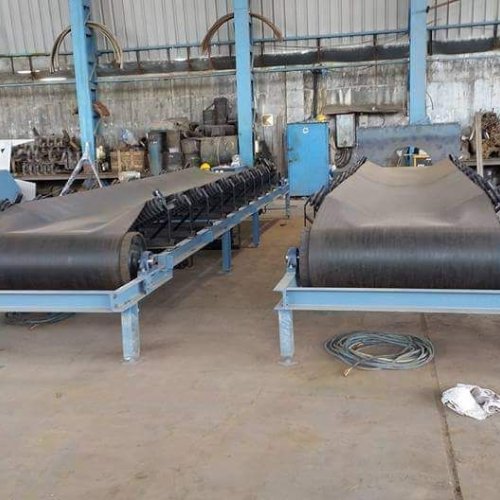
A belt conveyor system is a continuous material handling equipment used to transport bulk or packaged materials from one point to another efficiently and safely. It is widely used in industries like mining, cement, food processing, packaging, and manufacturing.
Basic Components of a Belt Conveyor System
- Belt
- The main moving part that carries material.
- Made of rubber, PVC, fabric, or metal depending on application.
- Drive Unit (Motor & Gearbox)
- Provides power to move the belt.
- Converts electrical energy into mechanical motion.
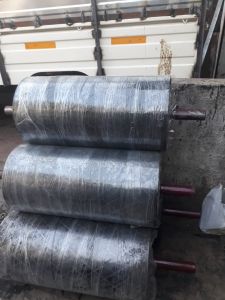
- Pulleys
- Drive pulley: rotates the belt.
- Idler pulley: supports and guides the belt.
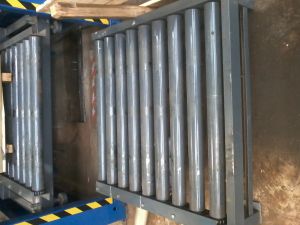
- Idlers/Rollers
- Support the belt and reduce friction during movement.
- Types: carrying idlers, return idlers, impact idlers.
- Frame/Structure
- The supporting structure that holds all components.
- Take-up System
- Maintains proper tension in the belt.
- Ensures smooth operation.
Types of Belt Conveyors
- Flat Belt Conveyor – Used for general material transport.
- Inclined/Declined Conveyor – Moves materials up or down slopes.
- Trough Belt Conveyor – Used for bulk materials like coal, sand, grains.
- Portable Conveyor – Movable and flexible for temporary setups.
- Flat Belt Conveyor – Used for general material transport.
- Inclined/Declined Conveyor – Moves materials up or down slopes.
- Trough Belt Conveyor – Used for bulk materials like coal, sand, grains.
- Portable Conveyor – Movable and flexible for temporary setups.
Looking for "Belt Conveyor System" ?
unit